








































DIGITALPIANO.COM A/S
Digitalpiano.com • USt-IdNr: DK41133198


Beliebte E-Pianos
Alle E-PianosBeliebte Stage-Pianos
Alle Stage-Pianos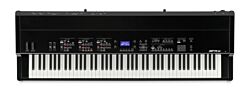
Stagepiano
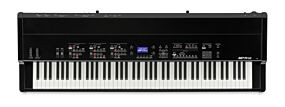
Kawai MP11SE Stage-PianoBeliebte Synthesizer
Alle Synthesizer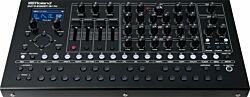
Synthesizer
Roland SH-4d Desktop Synthesizer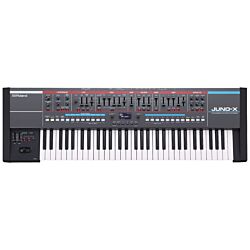
Synthesizer
Roland JUNO-X Synthesizer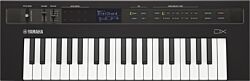
Synthesizer
Yamaha Reface DX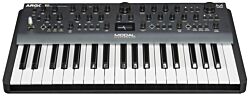
Synthesizer
Modal Argon8Beliebte Keyboard
Alle Keyboard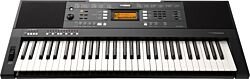
Keyboard
Yamaha PSR-A350 Keyboard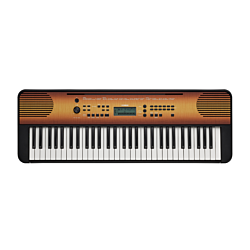
Keyboard
Yamaha PSR-E360 MapleBeliebte Digital Flügel
Alle Digital Flügel
Digitalpiano
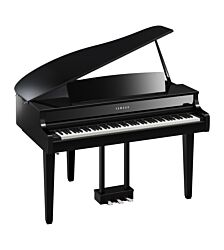
Yamaha CSP-295GP Schwarz Poliert Digitalflügel
Digitalpiano
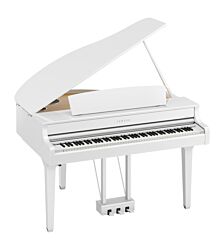
Yamaha CSP-295GP Weiß Poliert Digitalflügel



| Aarhus | |
| Kopenhagen | |
| Stockholm - Sonora Flagship Store |
• Unser FAQ
• Möglichkeit für eine Lieferung nach Hause inklusive Montage
• Bei weiteren Fragen erreichen Sie uns unter +45 38 10 08 44 oder info@digitalpiano.com
• Besuchen Sie unsere Showrooms in Kopenhagen und Aarhus
With its remarkable capacity for expression and a sonic range unmatched by any other musical instrument, the piano plays a major role in the sound of ensembles and bands playing everything from classical music through to jazz and rock. As the latter evolved rapidly in the seventies in particular, giving rise to many sub-genres, the music industry was in desperate need of a piano that could hold its own with the explosive sounds of the electric guitar and could also be quickly and easily set up on stages both indoor and out.
The instrument developed to address this need was aptly christened the “stage piano.”
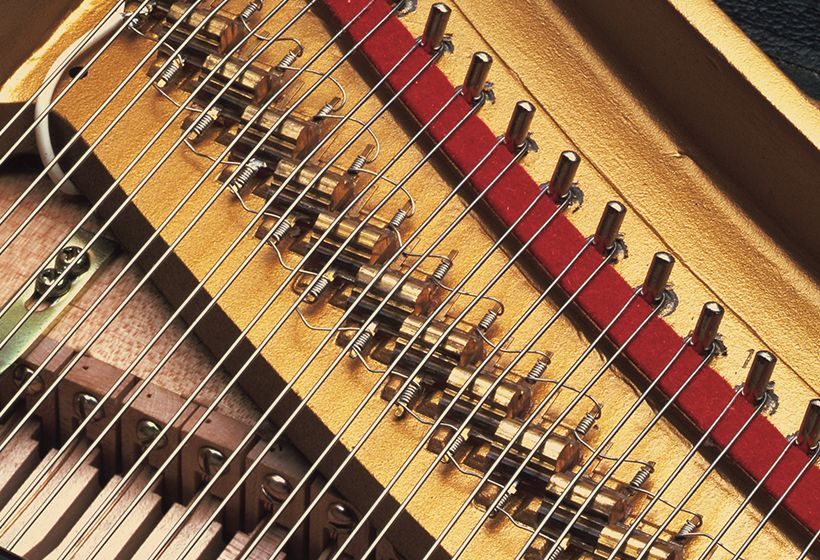
While the CP70 and CP80 relied on the same struck-string approach as had traditionally been used in grand pianos as the basis of their realistic sound, they did not have a soundboard, and instead used magnetic pickups to convert the vibration of their strings into audio signals. By converting string vibration into electrical signals, the CP70 and CP80 opened up the possibility of exciting new modes of use where equalization and effects could be applied to the audio output. The resulting sound — affectionately known as the electric grand — played a major role in the music scene of the day and still excites today.
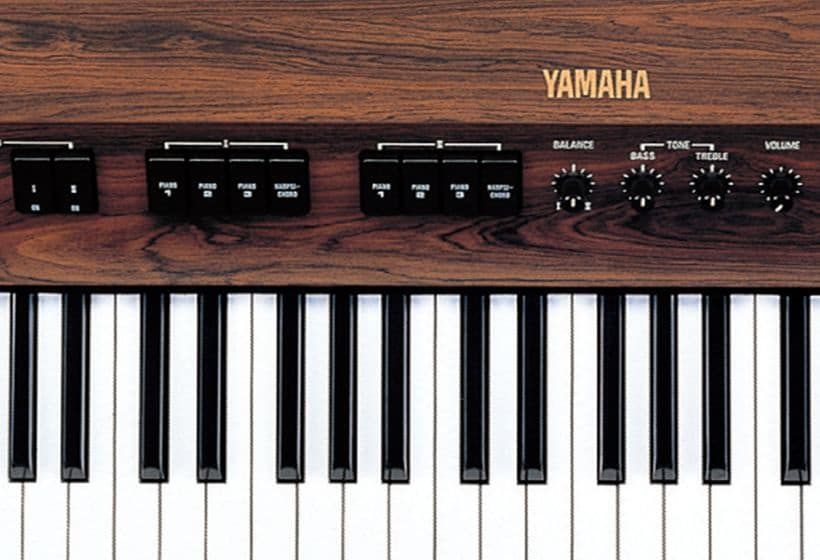
While the CP30 favored an analog tone generator instead of the traditional strings and hammers of an acoustic piano, this presented the designers with considerable challenges in terms of producing realistic piano sounds. The solution came in the form of two new functions in particular — velocity, which allows the volume to be modified based on how hard the keys are played, and decay, which controls how the sound attenuates over time.
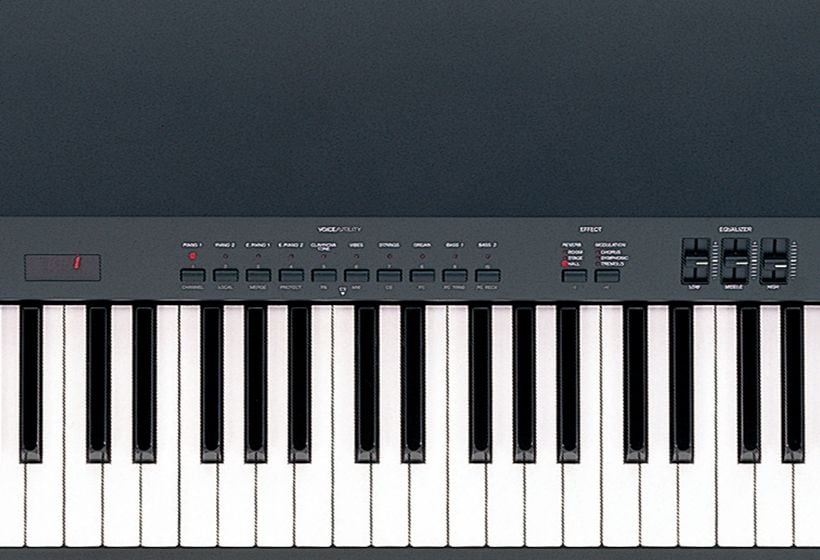
In the pursuit of more realistic piano sounds than achievable using analog tone generators, Yamaha's designers turned their attention to sampling technology, and they made great leaps forward with an AWM tone generator loaded with samples recorded from a real acoustic piano. Inspired also by a similar approach to realism employed in our Clavinova line of digital pianos, this tone generator pumped fresh blood into the stage piano as the beating heart of the Yamaha PF P-100.
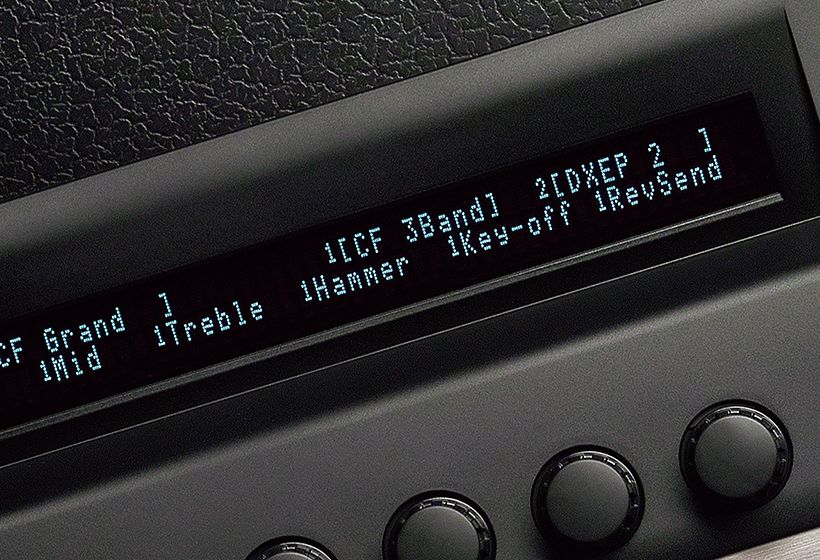
With vintage electric piano sounds propelled once again into the spotlight due to ongoing developments in the music scene, the CP1 — released more than four decades after the first stage piano in the CP family — featured a Spectral Component Modeling (SCM) tone generator that pushed the boundaries of this famous sound.
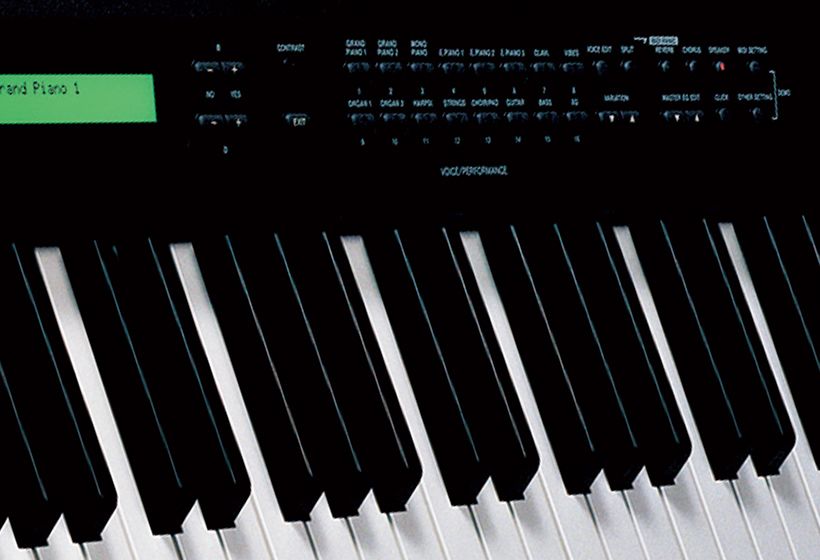
For a more realistic experience, the designers of the Yamaha CP300 took up the challenge of stereo sampling. In addition, they also incorporated other features to this end, such as recreating the vibration fed back to the pianist's fingers through the keys. The instruments of the CP series, while designed as stage pianos, also sound great when played as part of a band. In recognition of this, and also hoping to stimulate a rethink of how pianos are typically used in an ensemble, the designers of the CP300 took the bold step of adding mono piano and compressed piano voices to the instrument's lineup of presets.
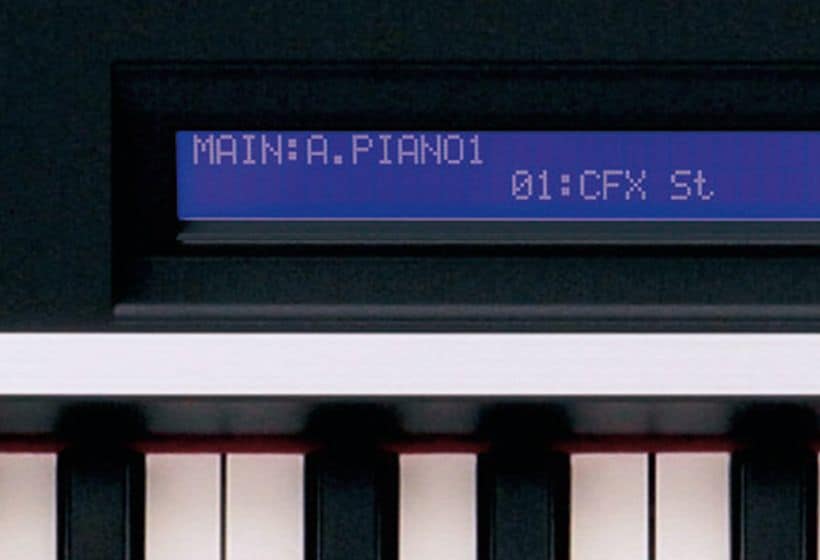
Yamaha has a proud, century-long history in piano making, and the CFX is the crown jewel of its grand pianos. Packed with exquisite samples painstakingly recorded from this instrument, the CP4 Stage delivers what is arguably the perfect stage-piano sound.
| EAN | 4957812625227 |
|---|---|
| Gebrauchszustand | used |
| Hersteller | Yamaha |
| Modellserie | Yamaha CP |
| Type Piano | Pro Stagepiano |
| Bluetooth | Nein |
| Lautsprecher? | Ohne Lautsprecher |
| Polyfonie | 128 |
| Anzahl der Tasten | 73 |
| Tastaturmechanik | BHS (Balanced Hammer Standard) keyboard: matte black keytops |
| Klangerzeugung | AWM2 |
| Sounds | 57 (Piano: 10 / E. Piano: 14 / Sub: 33) |
| Effekte | Piano: 2 systems (1: Damper Resonance / 2: Compressor, Distortion, Drive, Chorus), E. Piano: 3 systems (1: Drive / 2: Auto Pan, Tremolo, Ring Modulator, Touch Wah, Pedal Wah, Compressor / 3: Chorus1, Chorus2, Flanger, Phaser1, Phaser2, Phaser3), Sub: 1 sy |
| Controllers | FOOT CONTROLLER [1]/[2], FOOT SWITCH [SUSTAIN]/[ASSIGNABLE] |
| Schnittstellen | OUTPUT [L/MONO]/[R] (6.3 mm, standard phone jacks, UNBALANCED), OUTPUT [L]/[R] (XLR jacks, BALANCED), [PHONES] (6.3 mm, standard stereo phone jack), FOOT CONTROLLER [1]/[2], FOOT SWITCH [SUSTAIN]/[ASSIGNABLE], MIDI [IN]/[OUT], USB [TO HOST]/[TO DEVICE], |
| Pedal | 1 |
| Gewicht | 13 kg |
| Größe des 1. Pakets | 135x52x28 cm |
| Gewicht des 1. Pakets | 17 kg |
| Breite | 108 cm |
| Tiefe | 35 cm |
| Höhe | 14 cm |
Innerhalb der Bundesrepublik Deutschland liefern wir mit DHL Freight. Bei Zubehör die weniger als 20 kg wiegen, kann die Bestellung auch mit PostNord oder GLS versendet werden.
Digitalpiano.com liefert an alle Adressen in der Bundesrepublik Deutschland. Dies umfasst Privatadressen sowie Firmenadressen. Digitalpiano.com bietet auch an das Instrument an den Arbeitsplatz des Kunden zu liefern, falls der Kunde am Zeitpunkt der Lieferung nicht an seiner Privatadresse sein kann.
Lieferung frei Bordsteinkante. Dh. DHL Freight Liefern nicht bis in die Wohnung, Etage, Garage o.ä - dies ist ausgeschlossen.
Die Lieferung von Instrumenten zur vom Kunden beim Abschließen eines Kaufes angegebenen Adresse ist kostenfrei zu jeder Adresse der Bundesrepublik Deutschland, exklusive nicht überbrückte Inseln.
Die Versandkosten für die Lieferung auf nicht überbrückte Inseln sind von dem Instrument abhängig, aber es wird auch eine Versandkostenpauschale von mindestens EUR 33,00 erhoben.
Bei der Lieferung von Zubehör wird je nach Gewicht und Größe eine Versandkostenpauschale ab EUR 10 erhoben.
Die Lieferzeit ist von dem vom Kunden bestellten Artikel abhängig. Falls der Kunde einen Artikel bestellt, den Digitalpiano.com auf Lager hat, ist mit einer Lieferzeit zwischen 2 bis 4 Arbeitstagen rechnen.
Befindet sich der Artikel nicht in Digitalpiano.com's Lager in Aarhus, Dänemark, sondern in dem Lager Digitalpiano.com's Lieferanten, beträgt die Lieferzeit in der Regel 8 bis 14 Werktage, es sei denn der Artikel ist auch beim Lieferanten nicht erhältlich. In diesem Falle wird der Kunde benachrichtigt, sobald Digitalpiano.com den Lagerstatus vom Lieferanten erhält.
Die Versanddauer ist auch abhängig davon wo in Deutschland sich die vom Kunden gewählte Versandadresse befindet.
Die hier genannten Lieferzeiten sind vom Tag des Versands berechnet. I anderen Worten beträgt die Lieferzeit in der Regel 2 bis 4 Arbeitstage vom Zeitpunkt des Versands, nicht der Bestellung.
Bei Lieferungen auf nicht überbrückte Inseln sind längere Lieferzeiten zu erwarten.
Die angegebenen Lieferzeiten haben die angegebene Dauer, da die Lieferung aus unserem Zentrallager in Aarhus, Dänemark versendet wird.
Da Digitalpiano.com einen größeren Logistikpartner als Lager nutzt, kann es vorkommen, dass ein Produkt, dass auf Lager zu sein scheint, trotzdem im Rückstand ist. In diesem Fall wird der Kunde von Digitalpiano.com's Verkaufsabteilung kontaktiert, die den Kunden über eventuelle Verzögerungen informiert oder ihm hilft ein Ersatzprodukt zu finden.
Digitalpiano.com bietet die Abholung von Bestellungen in unseren eigenen Filialen in Aarhus, Dänemark und Kopenhagen, Dänemark an. Bei der Bestellung kann vom Kunden die Versandart „Abholung“ gewählt werden. Nach der Bestellung erhält der Kunde eine Bestellbestätigung per E-Mail, und wenn die Bestellung bereit zur Abholung ist, wird der Kunde kontaktiert. Die genannte Bestellbestätigung muss vom Kunden ausgedruckt bei der Abholung mitgebracht werden.